
Myth-titled round · marble-and-gold mood · phone-first
Olympus Glory: Game Guide, Demo and How to Play
Olympus Glory brings mountaintop drama to a quick, one-button round: set a value, spin once, let the tiles settle. This page covers where it sits on the lobby shelves, how a round runs beat by beat, a picture walk through the mythic tiles, and the four questions players ask before their first stake.
Where Olympus Glory Sits in the Perya Color Game Lobby
Olympus Glory is a myth-themed round format listed on the card and carnival tables shelf, right beside Color Game, Keno and Tongits — the shelf groups it, but inside the tile it plays as a quick settle-and-move-on round. For players searching perya color game Olympus Glory, that placement is the first useful fact: you will find it where the fast, self-paced tables live, not in the live-dealer aisle.
The experience it sells is atmosphere with a low learning cost. Marble columns, storm-gold artwork and god-tile icons frame a loop you already know from any reel-style round: choose the stake, start the round, read the settle. Nothing in Olympus Glory needs practice to operate — which is exactly why it suits the in-between minutes of an evening. If you want a second opinion on mood before committing, the Golden Genie guide covers the lobby’s other big theme title, and the two make a fair comparison pair: lamp warmth versus mountain thunder, same honest math underneath.
How an Olympus Glory Round Runs, Minute by Minute
One round is four beats, and you only touch two of them. The account and access routine is shared across every shelf — the entry walkthrough on the how-to-play guide covers it once for the whole lobby — so here is the Olympus-specific part:
- 1
Open the tile from the shelf and wait for the round screen to settle — a loaded screen shows the stake control and the info card icon before anything else.
- 2
Open the info card once and read three numbers: minimum stake, the combinations that pay, and what triggers any feature the title runs.
- 3
Set the stake for the session you planned, not the session you hope for — a value you can repeat fifteen times is the right size on a first visit.
- 4
Start the round, watch the settle, and let the balance post. If a feature round announces itself, follow its prompts; there is nothing to memorise.
Prefer the app shell over the browser for these rounds? The app download guide compares the package options and the install checks so the shell you install is the real one.
Trying an Olympus Glory Demo Without Paying for Lessons
The cheapest Olympus Glory demo is a planned minimum-stake pass inside the real lobby — five to ten rounds at the smallest value, watched like a study session. You are learning three things and they cost almost nothing to learn: how fast the round settles, how the feature announces itself, and how the balance curve feels at minimum pace.
Keep the pass honest. No raising the stake halfway to “test” bigger values — that turns a five-peso lesson into a fifty-peso one. Note the two or three symbol names the info card highlights; later, when a feature round fires, you will recognise the actors on stage. And if the swing at minimum feels sharper than you enjoy, close the pass and take that as the demo’s result: the format does not fit tonight, and the shelves next door will still be there tomorrow. A disciplined demo is the difference between an Olympus Glory session you chose and one that simply happened to you.
Return numbers belong in this conversation too: the return-to-player data page explains what a quoted figure can and cannot tell you before your first real stake.
A Picture Walk Through the Olympus Glory Tile and Its Shelf
These are the real tiles from the lobby’s mythic corner — the artwork you will actually tap. Each caption is a concrete observation about what the tile shows and how the shelf around it behaves:

The tile you came for
Square, gold-framed and readable at four-across on a 320px screen — the lobby keeps icon art legible even on the smallest canvas, so the tile needs no squinting.
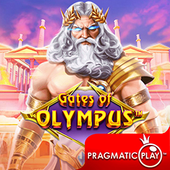
The thunder neighbour
Gates of Olympus sits in the same mythic family. Two tiles with one mood means the shelf is a genre corner, not a single title — handy when one is crowded with your own bad luck.

The high-voltage variant
The 1000-marked sibling trades calmer stretches for sharper swings. Same family portrait, very different evening — read its info card separately before assuming it matches.
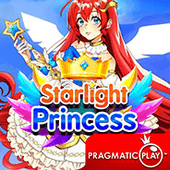
The pastel cousin
Starlight Princess shows how far the mythic mood stretches — same tile shape, softer palette. Shelf corners reward browsing: one tile rarely holds the best fit.
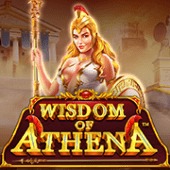
The scholar of the row
Wisdom of Athena rounds out the family with cooler tones. Four mythic tiles in one corner is the shelf telling you the theme has an audience — popularity, not prophecy.

The deep-water wing
Poseidon carries the myth into the sea shelf. If tonight wants waves instead of marble, the same one-tap entry style applies across every tile shown here.
One pass through this gallery and the shelf holds no surprises — which is precisely what a picture walk is for.
Olympus Glory FAQs, Answered the Short Way
Four questions cover nearly every message this topic receives. Each answer is the direct one — no banner talk:
No format is expensive by name — the round costs whatever stake you set. Open the info card, read the minimum value, and size the session budget from that number. The title on the tile never sets your price; the stake control does.
The dependable version is the minimum-stake pass described above, inside the real lobby. Outside apps advertising a free Olympus Glory demo are exactly the pattern worth verifying before installing anything — check the publisher, the permissions and the address first.
Because the lobby’s own grouping put it there, beside the fast self-paced tables. Shelf names organise the catalogue; they do not describe every rule inside a tile. The info card inside Olympus Glory is the authority on its own round.
Never. A perya color game promo changes the budget you bring to the session, not the mathematics inside the round — and bonus money usually carries wagering terms worth reading before you accept it. The odds question and the bonus question are different questions; only one of them has a fixed answer.
The Olympus Glory Fact Summary Worth Memorising
Six facts fit on one screen, and they cover the whole decision. Keep these and you need no other notes:
Card and carnival tables, beside Color Game, Keno and Tongits — the fast, self-paced corner of the lobby.
One-button rounds: set a stake, start, settle. No dealer, no timer, no mid-round decisions to learn.
Short bursts suit it best — ten to twenty planned rounds at a flat stake beat an hour of raising and chasing.
Minimum-stake pass, five to ten rounds, watched like study. The pass either earns a real session or saves you one.
Write the peso ceiling and the round count before the first spin; stop at whichever limit arrives first, no exceptions.
If you share finds with a page or group — the perya color game affiliate situation — recommend the format only after your own minimum-stake pass, and say plainly that no round owes anyone a win.
Six lines, one screen, zero surprises left.
Mythic Shelf Neighbours of Olympus Glory
The family portrait, tile by tile — every entry below is the real lobby shelf entry. Same entry tap, same info-card habit: